

Austin / Desmond Fine Art

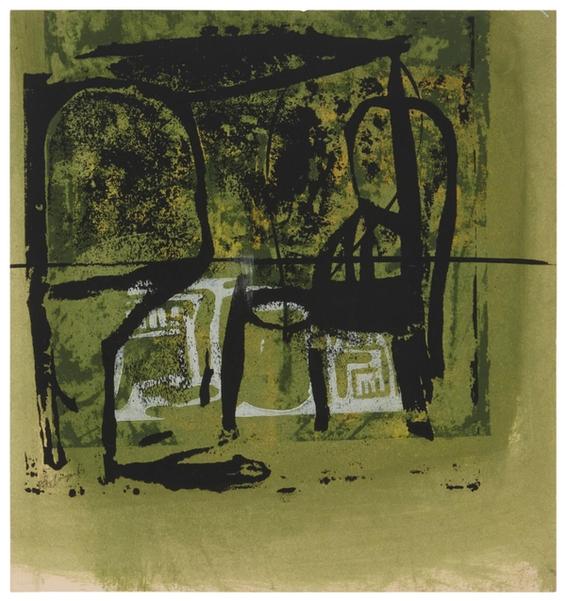
The London Original Print Fair 2026
14th May 2026 - 17th May 2026
We are delighted to be participating in the London Original Print Fair 2026 from 14th - 17th May at Somerset House, London.
Artists featured will include: James Boswell, Prunella Clough, Cecil Collins, Sam Haile, Roger Hilton, David Hockney, Sir Terry Frost, David Jones, Peter Lanyon, George Mackley, Paul Nash, C.R.W. Nevinson, Monica Poole, Eric Ravilious, Bridget Riley, Graham Sutherland, Julian Trevelyan, Edward Wadsworth.
Austin/Desmond Fine Art specialises in Modern British, International and Contemporary art. Established in 1979, the gallery has been located in Bloomsbury since 1988.
Read More.